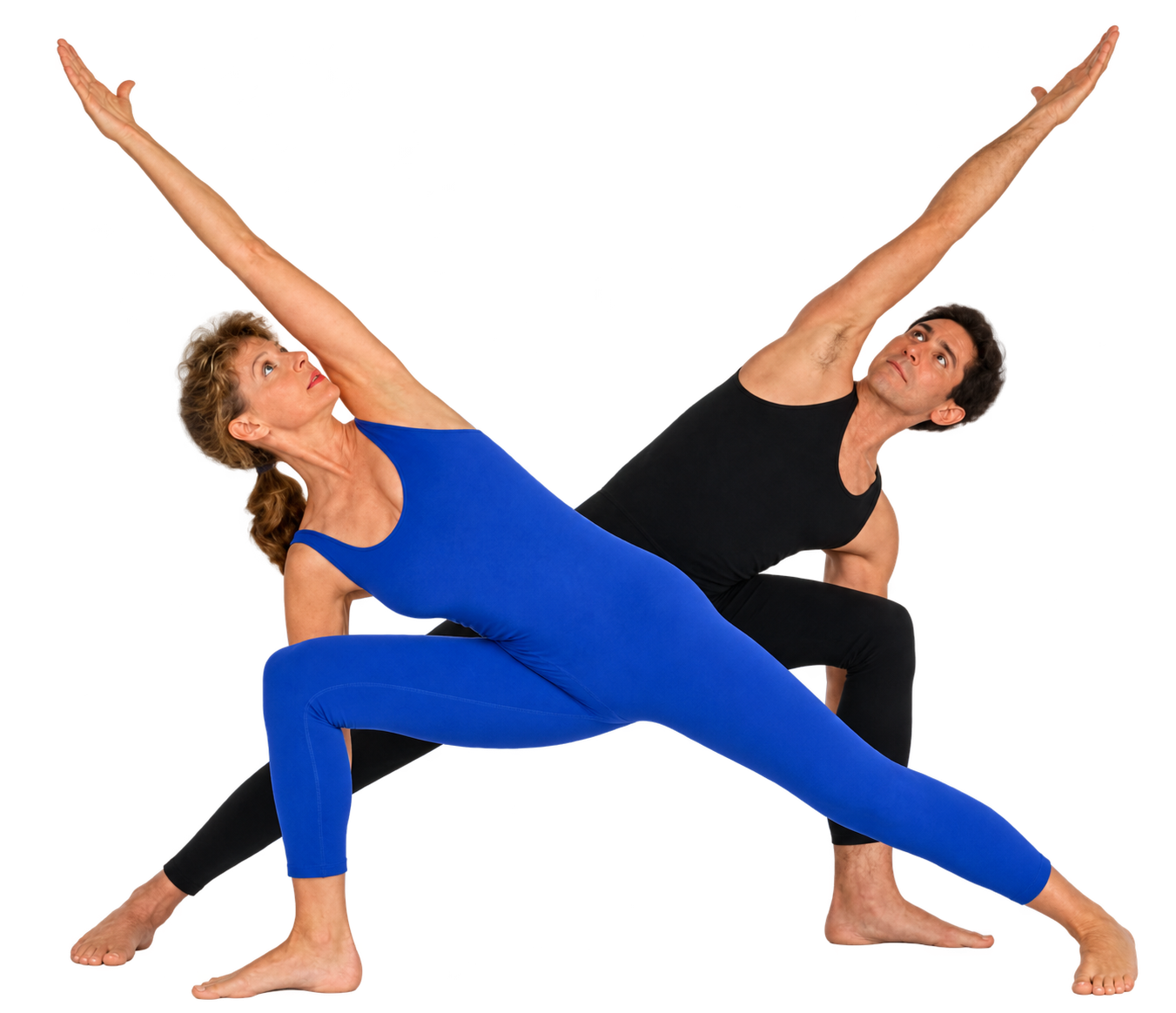
Yoga Is Not a Religion
The word, yoga, is derived from Sanskrit, one of the world's most ancient languages. In its
simplicity, the word yoga means: "creating union or balance in a person's body, mind, and
spirit.”
Yoga originally developed in the tropical south of India many thousands of years ago, by
ascetics living a strict and disciplined lifestyle. Through the millennia, the "yogis" as they were
known, were vegetarians, wore minimal clothing, and lived literally close to the earth learning
directly from nature.
They observed that the bodies of animals in nature were almost always perfectly
balanced. They exhibited near perfect flexibility, strength and endurance and lived in
equilibrium with their environment. When hungry, animals ate. When tired, they rested.
And when injured, animals sought refuge in a quiet and protected environment until they
healed or died. Animals, the yogis observed, showed little fear or anxiety; but when they
did, it didn't last long because animals, they surmised, did not appear concerned about
their past or future.
For thousands of years, the yogis among other things, developed and codified a system of
exercises that emulated the perfection of nature. The ancient yoga texts described how
their physical practices enhanced both their health and spirituality. Now, keep in mind that
these ancient people lived in totally protected environments and spent virtually all of their time
in devotional prayer, which included the exercises.
Until the beginning of the twentieth century, yoga was practiced only in India and only by
Hindus. That’s why yoga had originally been associated with Hinduism. But to be sure;
the physical and mental components of the yoga most of us practice today here in the West
have nothing whatsoever to do with anyone’s religion or belief system. "Yoga," simply means
"the movement toward union or balance.”
Through the centuries, many styles of yoga developed from the religious to the physical to the
etherial, but only a few became popular in the West. Here in the West, some yoga practices still
are based upon religion while other popular approaches focus primarily upon physical
exercises while other approaches focus only upon breath control.
However most yoga taught in the West today is a combination of varying degrees of physical
exercises and breath control, and is commonly known as “Hatha Yoga." And within Hatha
Yoga, there are many different styles; some based upon more athletic forms that generate
enormous physical stamina, strength, and flexibility while others focus upon remedial exercises
for recovery of illness, injury, or just growing older; and there are many styles of yoga in
between.
Whatever the form, yoga helps the practitioner move toward enhanced physical and emotional
balance. Whether approached remedially, athletically, or anywhere in between, its ultimate aim
remains unchanged. Just as the ancient ascetics looked to the natural world thousands of
years ago to find stillness and equilibrium, today's practitioner uses breath and movement to
quiet the noise of modern life. Ultimately, yoga bridges the gap between ancient wisdom and
contemporary wellness, offering a timeless roadmap back to ourselves.