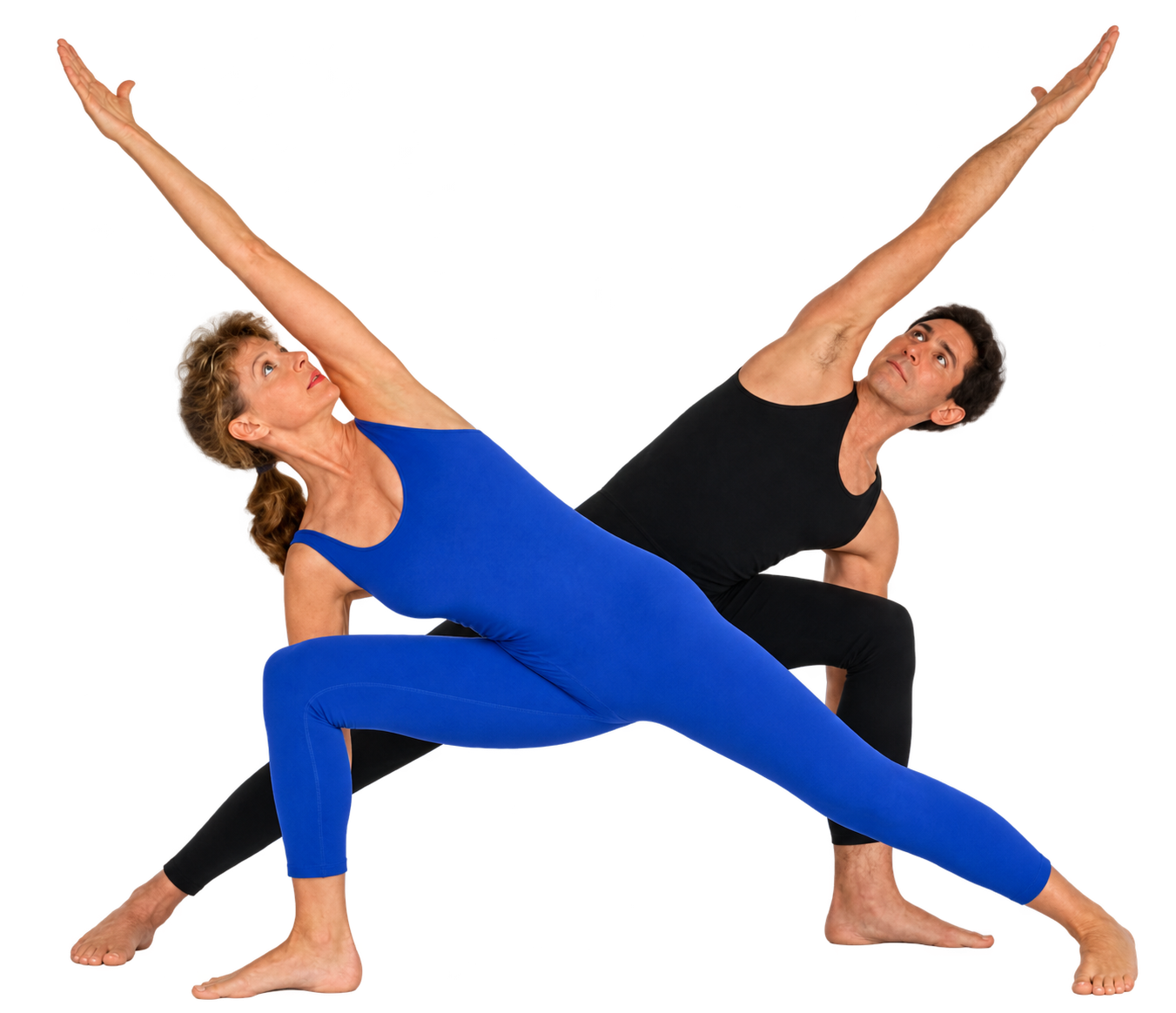
Modern Yoga Has a Different Style for Everyone
Yoga’s momentum is building. It is no longer associated solely with counterculture idealists. Today, people everywhere are practicing yoga: from young to old, athletes to couch potatoes, students to educators, and white-collar to blue-collar workers. They are all conditioning their bodies, quieting their minds, and reaping enormous benefits from this adapted ancient practice.
Nationwide, it is estimated that over 20 million people practice modern versions of yoga. Locally, adult education programs regularly introduce new offerings, and classes are consistently packed at local gyms. Today’s yoga extends far beyond what was originally taught by the traditional swamis of India; the discipline is undergoing a significant metamorphosis. From backyard gatherings to corporate boardrooms, organizations are now integrating yoga into employee wellness programs. Furthermore, its popularity is gaining validation through scientific scrutiny, such as recent NIH-funded research investigating yoga's effectiveness for back pain relief.
Today, numerous distinct styles of yoga exist to meet virtually any individual need—ranging from gentle, restorative practices where discomfort is strictly avoided, to high-intensity environments.
One prominent approach literally turns up the heat. Practiced in rooms approaching 100 degrees Fahrenheit, advocates claim this environment increases flexibility and delivers an enhanced cardiovascular workout. Ideal for younger individuals seeking extreme fitness, this and other high-intensity styles appeal to those who embrace a "no pain, no gain" ethos.
Conversely, extreme yoga can be difficult—and even dangerous—for those who are out of shape, recovering from an injury, managing a chronic illness, or navigating older age. Even if a practitioner's body can adapt to the physical demands, high-intensity approaches often lack the calming, restorative benefits that gentler yoga provides.
Teaching methodologies vary just as widely as the styles themselves. Some instructors approach the practice pragmatically, while others integrate quasi-spiritual and athletic elements, complete with burning incense and soft Eastern music.
In most standard yoga classes, the instructor demonstrates poses while students follow along as best they can. While this format works well for individuals in reasonably good health, students experiencing physical distress or those who struggle to keep up may become discouraged and drop out—or worse, suffer an injury.
If you are profoundly out of shape, injured, or chronically ill, almost any traditional exercise regimen carries risk or may feel unattainable. Along with a select group of colleagues nationwide, I teach ExTension and Recovery Yoga—a system designed for practitioners of all levels, but specifically engineered for those recovering from acute injury or illness. Interestingly, we utilize these exact same techniques to achieve outstanding results when training elite athletes.
Our primary focus is activating and enhancing the parasympathetic nervous system. This allows the body to enter a state of deep relaxation. From this foundation, practitioners can intelligently and safely build physical strength, flexibility, and endurance step-by-step without forcing movement or causing injury.
Because this approach is entirely counterintuitive to traditional exercise philosophies, it can be challenging to grasp initially—especially given how rapidly it yields results. That unique contrast is part of what makes this practice so compelling.
The logic and science behind ExTension and Recovery Yoga are available free on my educational website, www.extensionyoga.com.