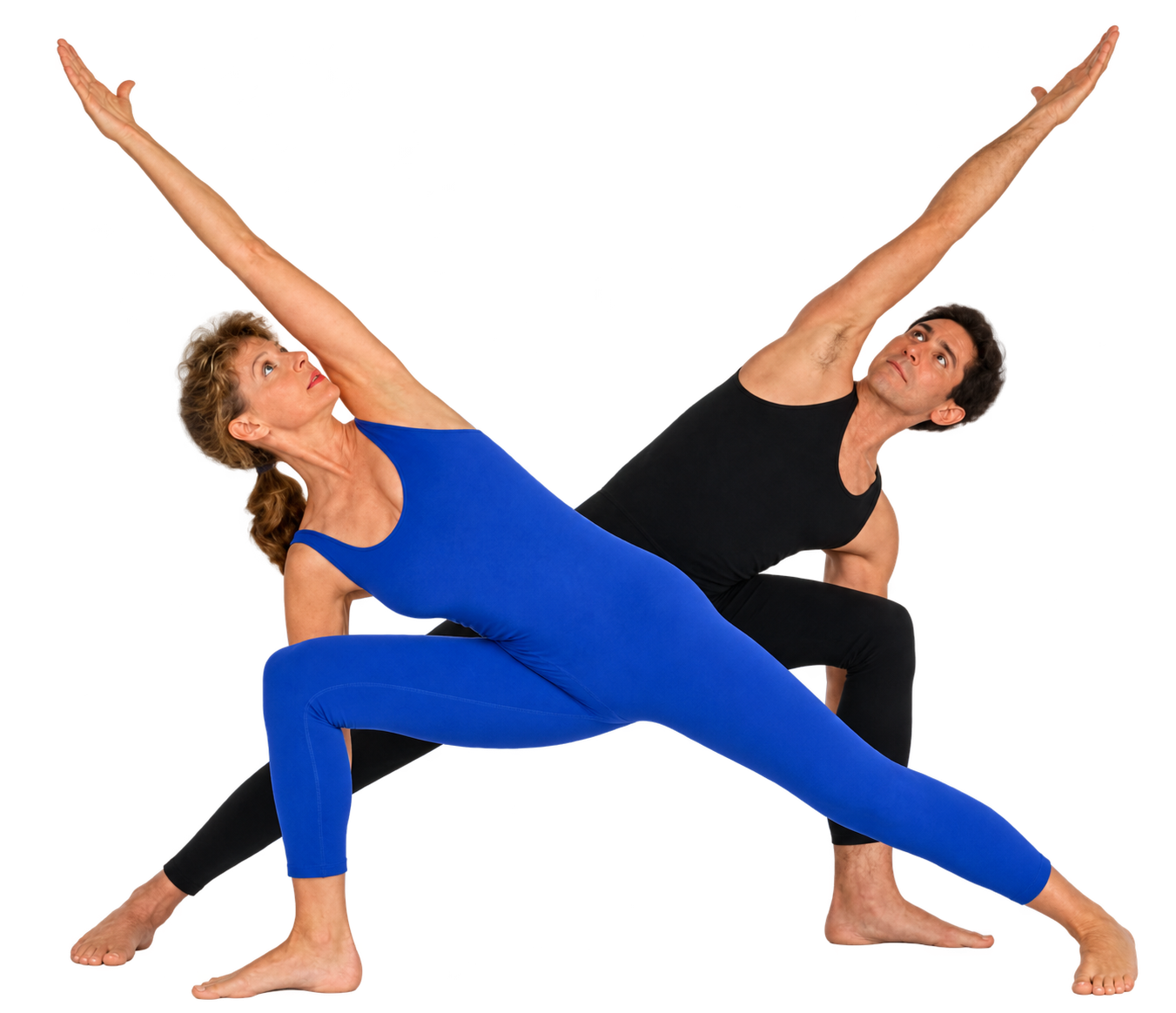
How to Pick a Yoga Teacher
Yoga is one of the fastest-growing segments of the fitness and wellness industry. Today, there are dozens of different approaches and styles of yoga targeted toward a broad diversity of people—from athletes in their 20s and 30s who care more about fitness than spirituality, to gentle, meditation-focused practices appropriate for people of all ages and physical conditions. There are also restorative yoga classes designed specifically for the chronically ill, injured, or aging. Yoga is hardly a “one-size-fits-all” program.
Currently, most yoga styles are taught by young, athletic instructors conducting wildly popular and physically demanding classes. While it might be a bit more difficult to locate classes designed for older adults—and even harder to find classes tailored for the chronically injured or ill—they are definitely available.
If you are under 35 and healthy, you can walk into just about any yoga class and give it a try. If you don’t like what’s being taught, don’t think for a second that you’ve “tried yoga” and it’s not for you. You owe it to yourself to take several different classes with different teachers at various studios. You are practically guaranteed to find an approach that resonates with you.
However, if you are older, out of shape, injured, or living with a chronic condition, finding an appropriate class requires a bit more care. Although most yoga instructors have completed some form of teacher training, the majority continue to teach strictly within one narrow style. If you don’t fit the profile of their average student, you may quickly feel left out—or worse, pushed too far.
Younger teachers are generally not well-equipped to teach middle-aged or older students, especially those who are significantly out of shape, chronically ill, or dealing with long-term injuries. A younger teacher might slow the pace down for you, but they rarely possess the depth of knowledge, practical experience, empathy, or personal understanding of what it actually feels like to live in an aging or compromised body.
On the flip side, you might assume that older—and presumably wiser—yoga teachers automatically understand how to guide mature students or those dealing with chronic pain. Unfortunately, that is rarely the case. Just because an instructor is older or has been teaching for decades does not mean they know how to adapt their practice, especially if they have never been seriously injured or ill themselves. Many older teachers simply teach what they themselves have been practicing for years.
In fact, aging yoga teachers who have practiced for decades without experiencing significant illness or physical setbacks often have a hard time truly relating to people their own age, let alone to those with chronic pain. To teach yoga effectively to chronically ill or injured students, it generally "takes one to know one."
So, how do you choose the right yoga teacher?
Start by calling a few instructors and asking them directly who their classes are specifically designed for. Even if their answer sounds promising, you may still need to try several classes with different teachers until you find someone you feel completely comfortable with—a teacher who approaches the practice with intelligence, sensitivity, and, above all, the flexibility to adapt their teaching for your particular body.