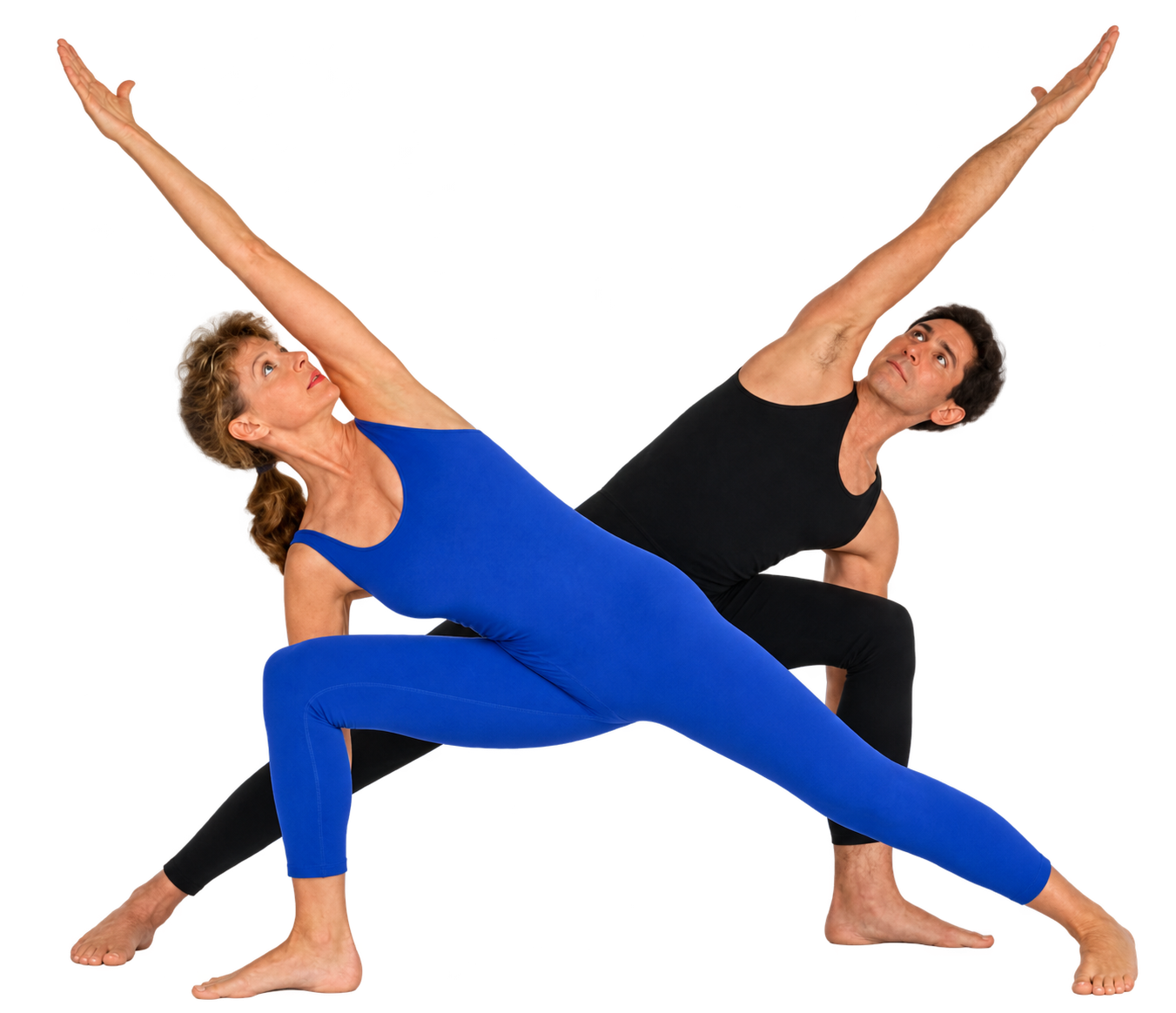
Yoga Is All About Balance
The term “yoga” is a process that simply means, “balance” or “union” and in its western
and modern interpretation, has nothing to do with anyone’s religion, belief or lifestyle. In
fact, when appropriately practiced, yoga can be done by anyone, at any age and in any
physical condition. When appropriately practiced, the physical exercises of yoga are
designed to enhance a person’s strength, flexibility, and endurance. Yet, yoga exercise
goes well beyond the physical.
When appropriately practiced, yoga exercise is actually paradoxical: the harder you try,
the less you get. That is to say; the harder you try to do yoga, the more apt you are to
injure yourself.Or exacerbate previous injuries. Or create excessive and unnecessary body
Soreness. Or even create emotional distress by being overly aggressive.
Any of these sets you up for failure and moves you away from the essence of yoga which is designed to help balance your body and quiet your mind. A strong argument can be made that an appropriate yoga practice is “meditation in action.”
When yoga is correctly practiced, you actually learn three things: 1) How to intelligently
move your body in a way that reduces unneeded stress or strain; 2) how to minimize
physical as well as emotional discomfort; and 3) how to integrate your breath with the
movement of your body.
These are the primary mechanisms that eventually quiet your mind. Thus, as you learn how to practice yoga without forcing your body and as you learn how to control your breathing, your body adapts and accepts yoga exercise rather quickly.
Through a regular non-forceful practice, you begin to create a balance of flexibility,
strength, and endurance, which enhances a feeling of well being. Because the body and mind are intricately connected; as you do yoga to balance your body, your mind will follow.
Conversely, when you are feeling “uptight’, is it any wonder that your body literally follows? How many times have you heard it said, “You are really uptight... take a deep breath and relax.” An appropriate yoga practice, which integrates body and breath, quiets and relaxes the body and the mind. Finally, through learning breath control and how to move your body to “get more by doing less,”you create an environment where you begin to pay attention to choices and
how you want to feel; both physically and emotionally.
By learning not to force your body during yoga, you are training your mind to become more “peaceful” and “observant” versus “noisy “and “agitated. The result is an emotional balance that many find elusive given today’s extraordinarily busy and hectic lifestyle.