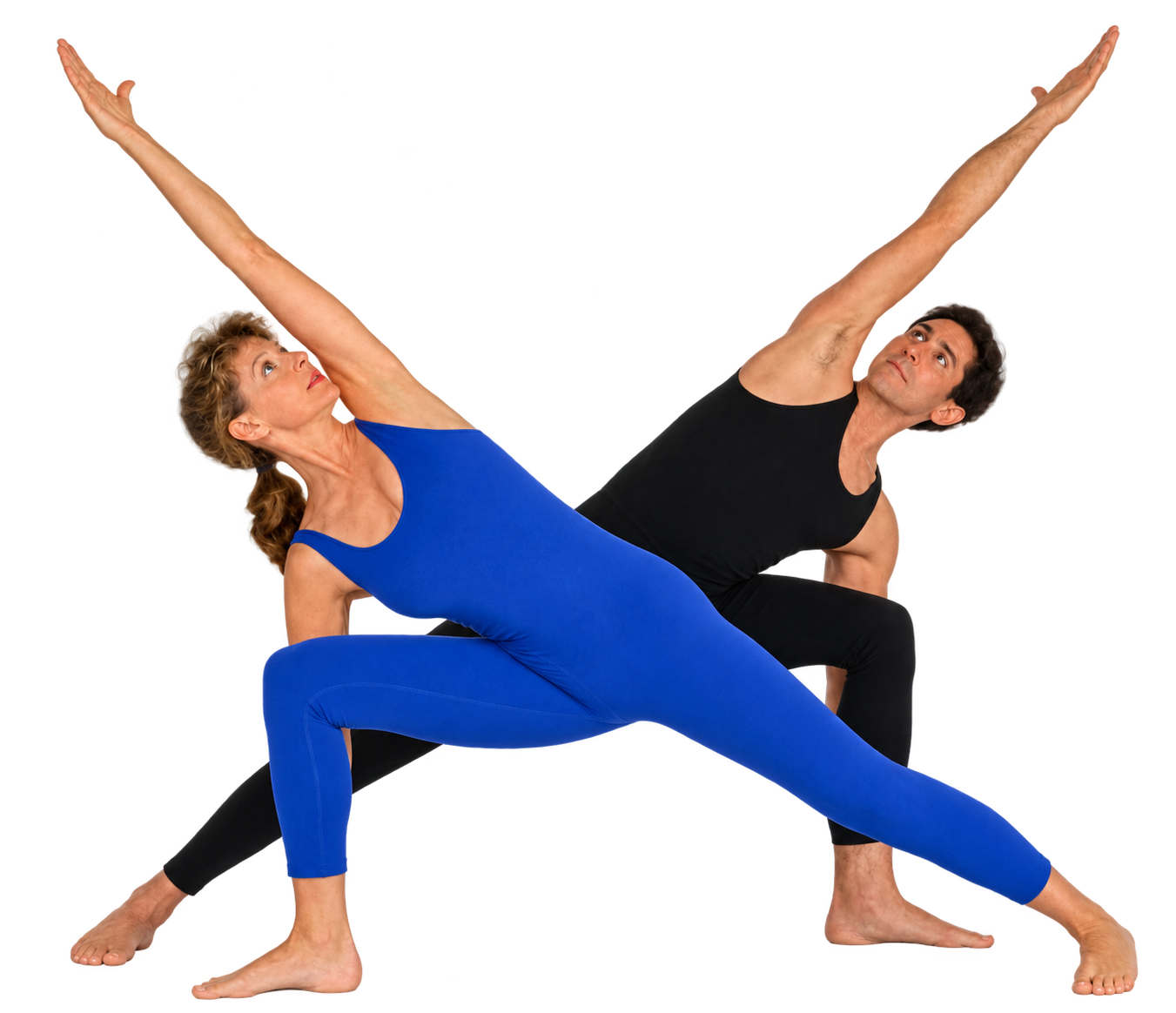
Yoga Can Be an Effective Post-Surgery Treatment for Back Pain
Back problems in the United States remain one of the most common reasons people seek medical care. Extensive studies, including research from Duke University, estimate that treating back pain costs Americans over $26 billion annually—accounting for a substantial portion of total national healthcare expenditures.
Statistical estimates suggest that up to 90 percent of adults will experience severe, debilitating back pain at some point in their lives. We are not talking about a minor twinge after a long day in the garden; but the kind of acute, incapacitating episode that leaves you bedridden for days and hobbling for weeks afterward.
Back pain stems from a wide spectrum of issues. Causes range from soft-tissue issues like muscle cramping and tearing to structural problems such as spinal misalignments and disk abnormalities, including bulging, herniated, or degenerated disks. Another frequent culprit is spinal stenosis—bony overgrowths along the vertebrae that narrow the spinal canal, often accompanying osteoarthritis or the natural aging process.
Having spent many decades in the field of movement education and natural healing, one might assume I am entirely opposed to spinal surgery for chronic back pain. In fact, a landmark study by Arthur Klein and Dava Sobel (referenced in my book ExTension ) evaluated various modalities for back pain relief—including physical therapy, acupuncture, chiropractic care, osteopathy, neurosurgery, and massage. Surprisingly, yoga instruction ranked highest in providing "moderate-to-dramatic long-term relief" for chronic back conditions.
While I firmly believe that an appropriate yoga practice is one of the most effective ways to maintain spinal health, I also recognize that there are times when surgical intervention is necessary to relieve debilitating pain and restore quality of life.
From a movement education perspective, many people view back surgery as a last resort rather than a first step—choosing to explore an adapted, non-forcing movement practice first. When a gentle practice does not lead to noticeable improvements over time, or if movement consistently exacerbates pain, seeking an evaluation from a qualified medical professional becomes a logical next step.
Although modern surgical techniques have advanced significantly—offering higher success rates and better outcomes than in previous decades—post-surgical rehabilitation remains critical. When practiced appropriately, yoga can be one of the finest post-surgical therapies available. When practiced inappropriately, however, it can be among the worst.
Most classical approaches to yoga—particularly modern classes offered in generic health clubs and gyms—are designed for healthy, uninjured bodies. Because many standard postures compress the spine and place excessive leverage on delicate soft tissues, they can easily retard healing, aggravate post-surgical sites, and worsen pain.
Conversely, when guided by teachers with a firm foundation in how the body works—who understands soft-tissue injury and the mechanics of healing—a targeted recovery practice offers an exceptional therapeutic environment. By decompressing the spine, supporting gentle circulation, and respecting surgical boundaries, Recovery Yoga helps move you toward restored mobility while minimizing the risk of further injury or compromising your body's structural healing.