Beyond Buns of Steel
Imagine a weightlifter who trains only the left side of his body. Picture huge, bulging muscles defining the left half of his chest, arm, and leg, contrasted with a weak, puny, and flaccid right side.
It is an absurd image, isn't it? Yet, focusing exclusively on firming your body or building muscle while ignoring appropriate stretching is functionally no different than training one half of your frame while abandoning the other. It creates a severe physiological imbalance—one that modern fitness culture often encourages under the guise of hard work.
To make matters worse, human bodies undergo predictable "ages and stages" shifts. Beginning around ages 28 to 32, and recurring roughly every decade thereafter, our tissues undergo a natural contractive phase. Soft tissue—comprising both skeletal muscle and the intricate web of connective tissue known as fascia—gradually loses its natural hydration and with that, elasticity.
When you layer high-intensity strength training on top of a body that is already naturally tightening with age, the muscle fibers do not just grow; they shorten. Over time, chronically shortened muscles pull constantly on their tendons, misaligning joints, compressing spinal discs, and restricting healthy range of motion.
Furthermore, this systemic tightness extends far beyond simple stiffness in your hamstrings or shoulders. When fascia and muscle remain in a state of permanent chronic tension, they act like a tourniquet on the rest of the body. Fundamental internal processes—including micro-circulation, lymphatic drainage, deep diaphragmatic respiration, and digestive motility—become physically constricted and impaired.
While a tight, hyper-toned physique in youth or bulging muscles in manhood may appear aesthetically desirable on the surface, that unyielding rigidity inevitably catches up with you. The very muscles built to protect and strengthen the body end up trapping it in a cage of its own making. True, long-term health does not require spending endless hours in the gym grinding toward a rock-hard "six-pack" or "buns of steel."
Ultimately, true physical well-being isn’t measured by bulking up or forcing your body into a tight mold; it’s measured by resilience, ease of movement, and internal harmony. A healthy body certainly needs to be strong, but it must also learn when and how to yield. When you pair intelligent strength with deliberate, non-forceful stretching, you allow your body to age gracefully instead of defensively.
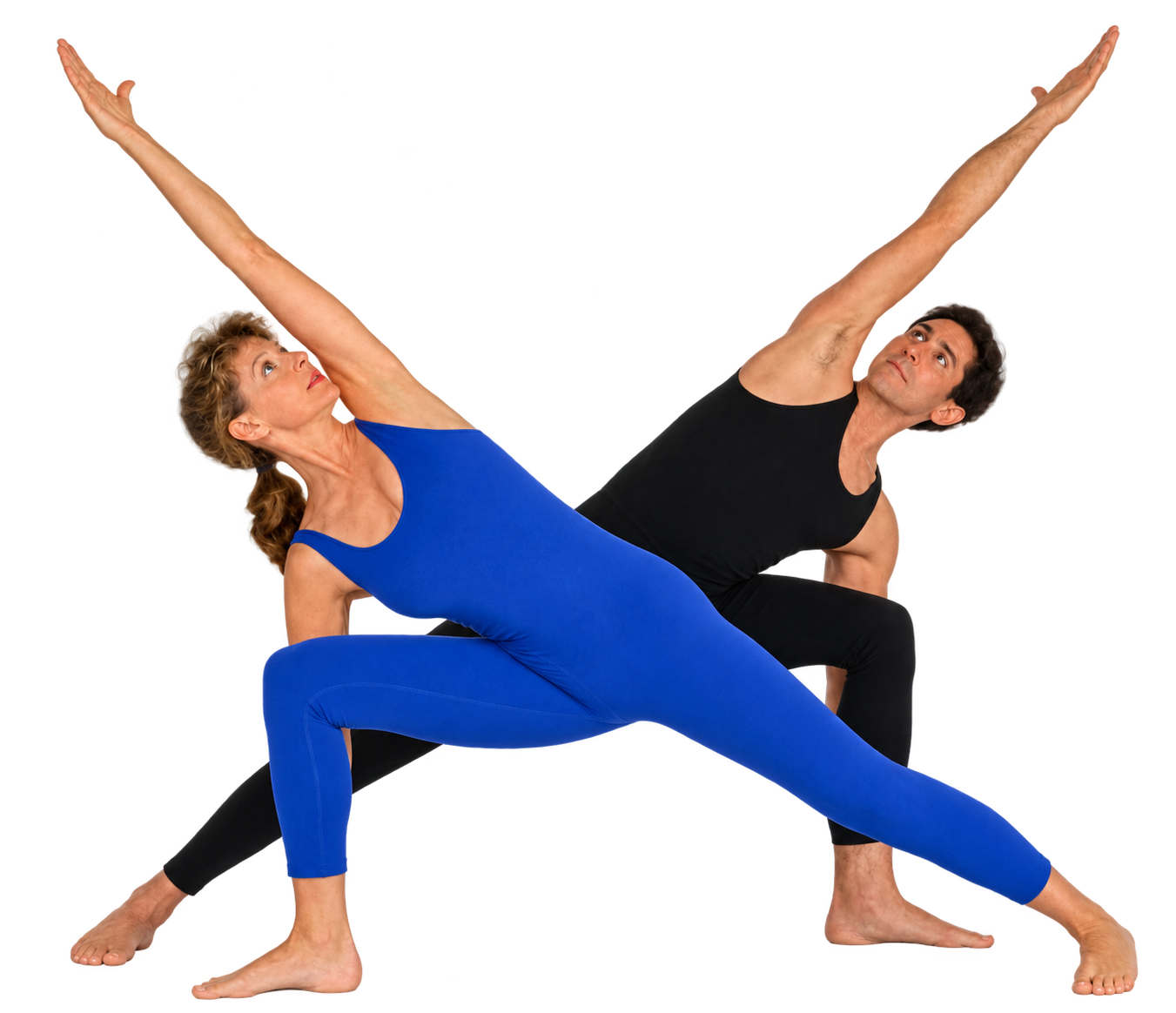
When appropriately practiced, yoga provides the essential counterweight to modern exercise. By creating a sensible balance between strength and flexibility—which naturally improves overall endurance—y0u can create a fluid, fully integrated body that carries you comfortably through whatever life brings.