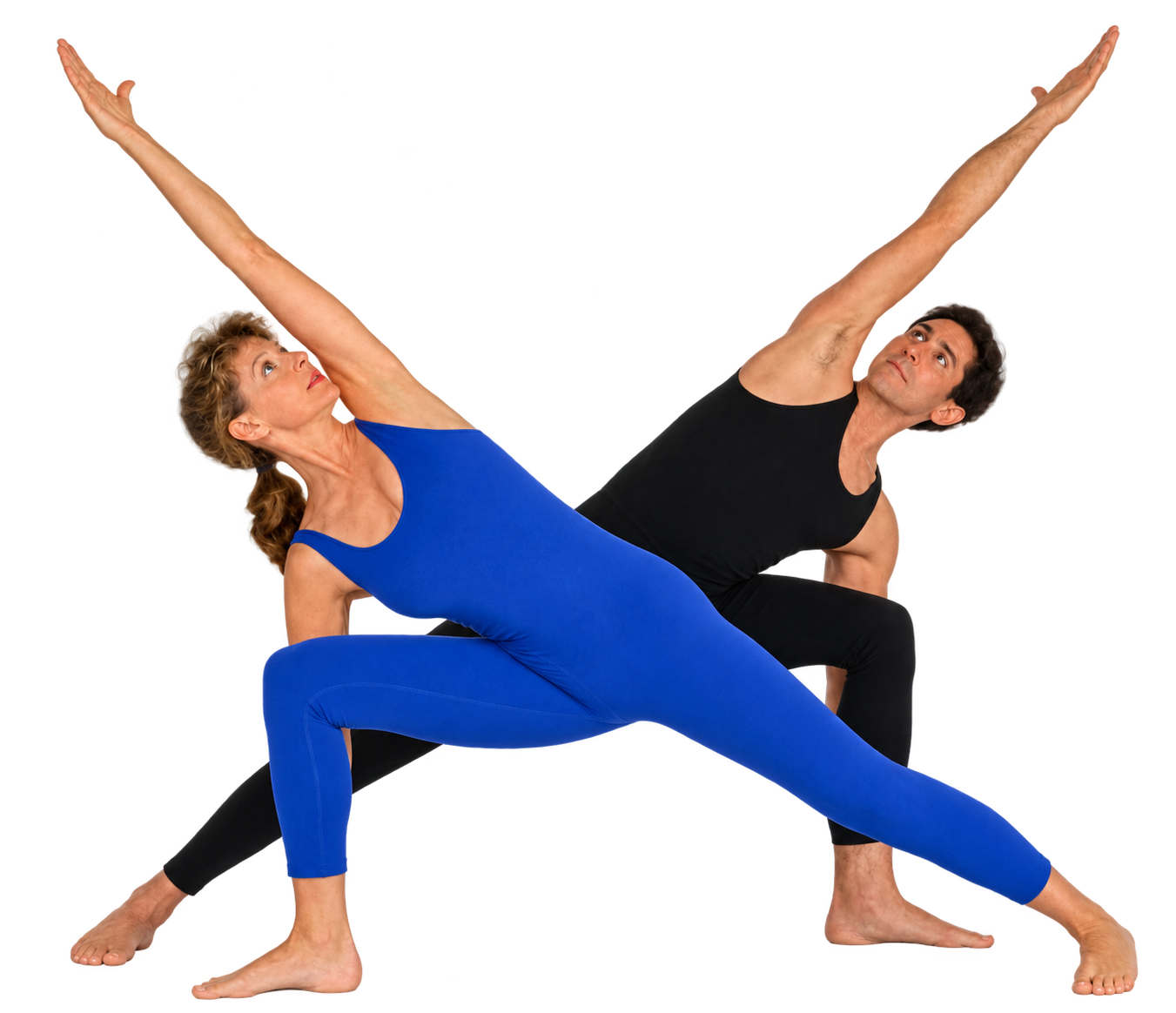
Beyond the Quick Fix: Why One Yoga Pose Can’t Cure Everything
I frequently receive inquiries from yoga practitioners and dedicated students around the world asking variations of the very same question: *“I have [this specific condition or injury]. What single yoga exercise do you recommend to fix my situation?” It is easy to understand why people look for isolated, targeted solutions. Modern culture conditions us to seek immediate, symptom-specific remedies for every physical discomfort.
Furthermore, as yoga has evolved in the West, its expressions have broadened into a vast, almost overwhelming spectrum—ranging from gentle, laid-back restorative practices to heart-pounding, sweat-drenched cardiovascular workouts that challenge even the most athletic individuals. Yet despite this wide variety of options and styles, many people still treat yoga like a pharmacy counter—hoping to find a single, specific posture to prescribe for a specific ailment.
While certain poses certainly "focus in" on particular muscles or regions of the body, relying on a single exercise to resolve a complex structural or physiological issue—whether it is scoliosis, chronic back pain, or even a systemic illness—misses the fundamental nature of the discipline. At its core, the word yoga itself signifies “a union: the act of yoking or bringing disparate parts together to function as a harmonized whole.” Yoga’s true therapeutic power lies not in isolated muscular mechanics, but in its unique ability to stimulate every system of the body simultaneously, including blood circulation, neurological pathways, and brain chemistry.
Consider what happens when physical movement is intentionally paired with controlled breath work. Medical research demonstrates that incorporating breath regulation into movement does far more than simply increase oxygen saturation in the bloodstream; it actively regulates the nervous system and accelerates an "alpha-wave high"—a state of high-congruent brain activity in the alpha spectrum. Through this conscious synthesis of breath and movement, an experienced practitioner can access a profound state of emotional well-being, mental clarity, and systemic release within minutes.
Remarkably, this mental and physical state is achieved without the sustained, gut-wrenching, joint-wearing strain that endurance athletes, such as marathon runners, typically must endure to reach a similar neurochemical high. In my decades of practicing and teaching—as well as navigating my own personal experience living with multiple sclerosis—I have consistently seen that as we move through and beyond our 30s, yoga yields its greatest benefits when practiced without aggression, forcing, or competitive drive. When we shift away from aggressive willpower and learn to work intelligently at the level of connective tissue, the body responds by dropping its guard and establishing lasting balance. For instance, gentle movements targeting the body at the level of fascia—such as the “Wiggle and Waggle” sequences as detailed in Chapter 7 in Recovery Yoga —are extraordinarily effective at releasing deep, chronic tension and resetting persistent muscle guarding. Yet, as much as I value this specific fascia-releasing movement in my own daily routine, it remains only one component of a much larger picture.
No single exercise, no matter how restorative or brilliantly designed, can independently move the entire complex system of the human body into lasting equilibrium. The best response to any specific injury, illness, or structural imbalance is not to search for a single magic pose or quick fix. Rather, the most effective path toward long-term health and genuine recovery is to maintain a consistent, intelligent, and well-balanced overall yoga practice—one that honors your body's daily fluctuations and restores true union to the entire system.