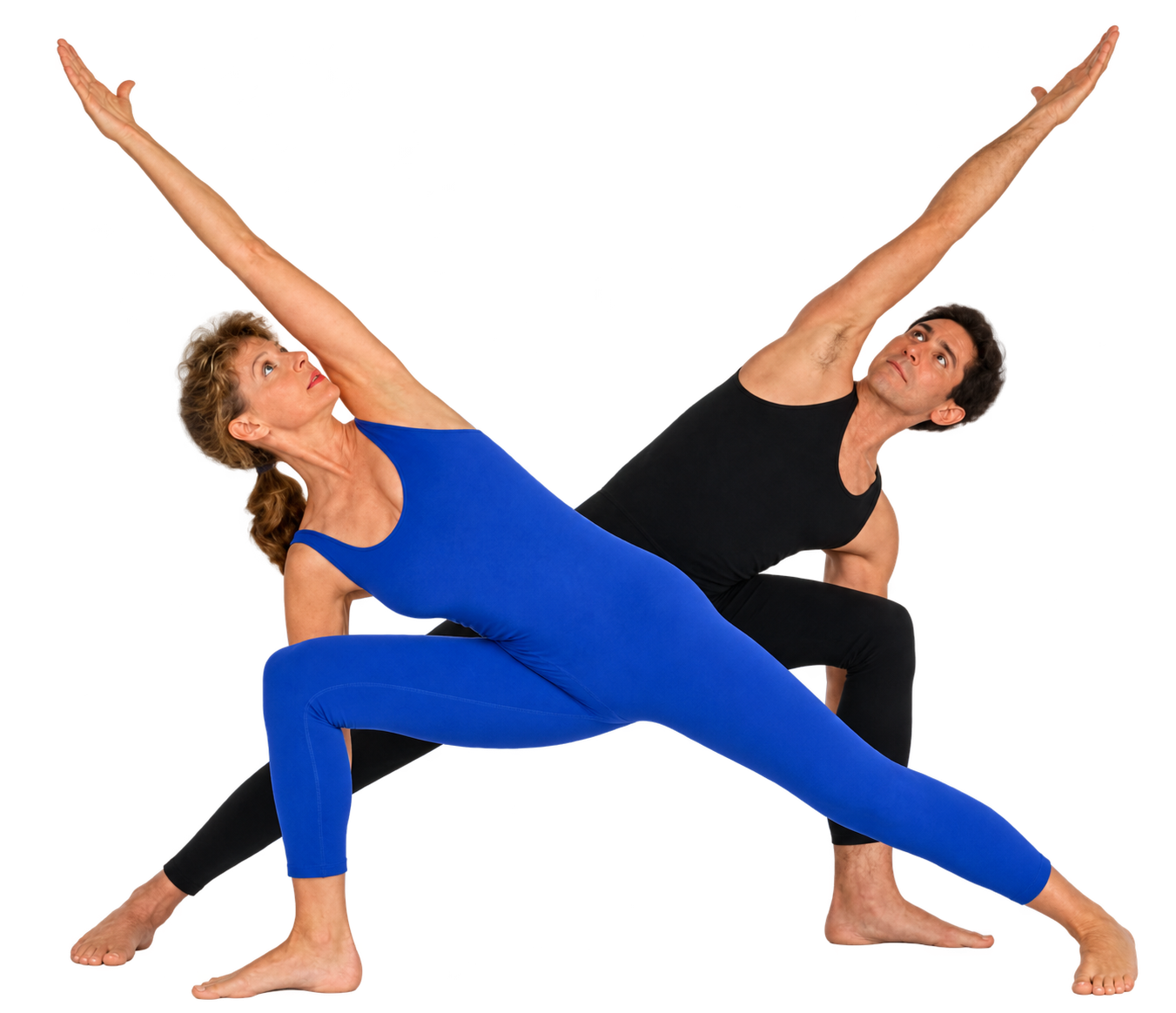
Weekend Athletes Think This Class Is Too Easy
“OK, you weekend athletes, listen up. Look at the person to your left. Now look at the person to your right. By the time of your next yoga class, some of you will have quit. By the time of your class after that, more of you will have dropped out.”
I know that my yoga class is not law school or an extreme fitness regimen, but many of you will quit because in spite of everything I say or do. You dropouts will still think this course was too easy—not challenging enough. Too much talk and not enough action. But mostly, you will think what I’m teaching is counterintuitive to everything you’ve ever learned in sports.
Most of you have been injured as a result of your sport—by not properly warming up, or by pushing yourself too hard. You want to just get out there and do it! And that’s just the kind of old-school thinking that got you into trouble in the first place. It’s why you can’t seem to shake those nagging old injuries. That’s why you run out of breath far too soon. Or that’s why playing hard on Sunday makes it painful to roll out of bed on Monday—that is, assuming you can even play anymore.
You know who you are. You’re the guy or gal who thought you’d stay physically active and at the top of your game forever. Sure, you were able to maintain your athletic skills even after landing a full-time job, getting married, and starting a family. It wasn’t that long ago that you were working out or playing sports several times a week.
But now that life is more hectic and complicated, you’re lucky if you can get out there once over the weekend. Even so, you still want to compete. Yet things are changing. Your legs get tired way sooner than they used to. Your breath can't keep up with your determination. You don't bounce back from minor injuries as quickly as you used to. Worse yet, you might hurt all the time and have given up sports altogether.
Maybe it’s time for something different.
If you stick this course out, you’ll discover that this yoga-based exercise system is both physically challenging and an extraordinarily intelligent exercise modality. During this course, I won’t ask you to blindly believe anything I say, even though everything I teach is directly rooted in human anatomy and physiology.
Instead, I am going to ask you to experience this duality of exercise for yourself: the traditional way you have exercised (and how it felt) as compared to the yoga method you are about to learn now.
As confusing as it may first seem, I am going to show you how to do less in order to gain more. In fact, I’m going to ask you not to try to exercise—because “trying” is precisely what got you into trouble in the first place. That’s why so many of you will drop out of yoga. You’ll feel like you aren't working hard enough because you aren't gritting your teeth or sweating. But stick around long enough, and you can sweat plenty.
This work is subtle. It’s not about forcing yourself to get flexible; it’s about learning how to guide your body toward true balance—a balance of strength and flexibility that naturally promotes reliable endurance.
Stick with it, and this just might end up being one of the hardest—and most rewarding—exercise classes you have ever taken.