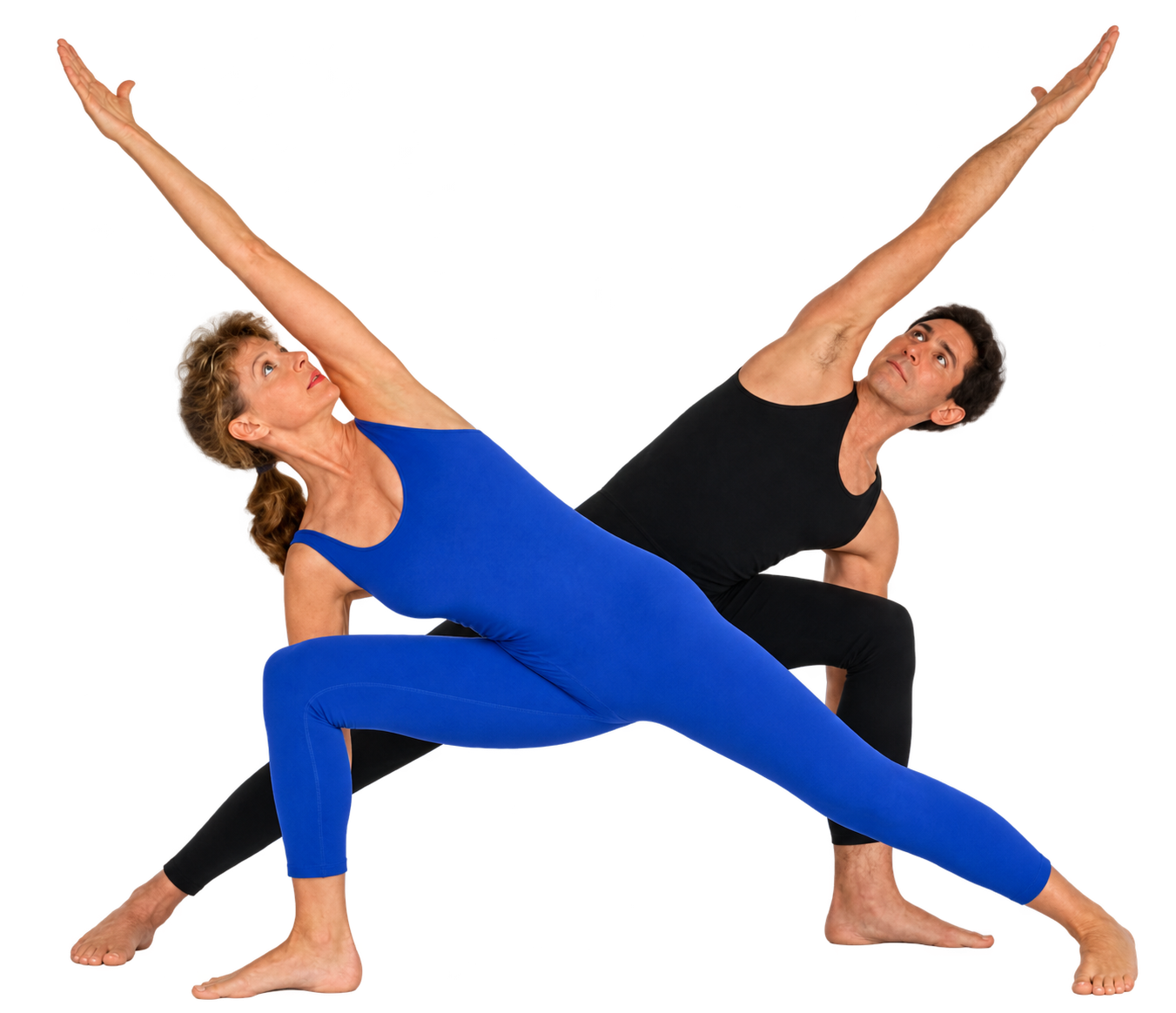
Beyond "No Pain, No Gain": A Smarter Approach to Yoga
Most of us have experienced—or will eventually experience—a physical injury, largely because we were raised on a single cultural axiom: "No pain, no gain." From childhood, family, teachers, coaches, and peers encouraged—and sometimes demanded—that we give every pursuit our absolute maximum effort, even when hurt.
We carry this mindset directly into adulthood, regardless of whether we consider ourselves athletic. The most visible consequence of this philosophy is the deep ache felt the day after working or playing too hard. Worse yet, as the years go by, that "day-after" discomfort intensifies, and recovery takes significantly longer.
When we exercise, a degree of soreness over the following day or two is entirely normal. It is simply the natural process of muscle tissue breaking down and rebuilding—a cycle that enhances strength and flexibility, particularly in our younger years.
As we age, however, pushing past physical boundaries stops building strength and begins causing chronic damage, both physically and emotionally. There is a critical difference between routine post-exercise soreness and acute injury pain. Normal soreness subsides within a day or two. Persistent pain, on the other hand, signals a longer-lasting injury where traumatized tissue is replaced by inflexible scar tissue. As mobility decreases and pain escalates, rehabilitative yoga becomes an invaluable resource.
Injuries hurt for a clear reason: pain is an explicit signal from the body that an area needs rest to heal. Ignoring that signal leads to chronic conditions that worsen over time. Trying to "work through the pain" exacerbates minor injuries, creating additional scarring and muscle atrophy.
Furthermore, an injury rarely stays isolated. Soft-tissue structures surrounding the injury site—muscles, tendons, ligaments, joint capsules, and especially fascia—contract defensively. When fascia remains chronically tight, it becomes a primary driver of ongoing pain, weakness, and loss of flexibility.
Non-painful yoga therapy offers a highly effective pathway to rehabilitation. Practiced mindfully, yoga targets the fascia directly by helping to release tightness, thus improving flexibility, and encouraging better circulation throughout the recovery process.
Additionally, yoga therapy provides a major advantage over traditional clinic-based therapies: once you learn the fundamental movements, you can easily practice them at home. This empowers you to take control of your own recovery on your own schedule.