A Brief History of Yoga
Somewhere in India about 5,000 years ago, groups of deeply religious people wanted to intensify their disciplines by spending prolonged periods of time in prayer. Their minds were willing, but not their bodies. In order to learn more about controlling their bodies, the ancients observed that in nature, the bodies of animals were almost always living in perfect balance and harmony with their environment exhibiting balanced flexibility, strength and endurance. When hungry, animals ate. When tired, they rested. And when injured, animals sought refuge in a safe and quiet place until they either healed or died.
Animals, they observed, showed little fear or anxiety; but when they did, it was brief because animals did not appear to worry about their past or future (as most of us do today).
From generation to generation, for thousands of years, and in concert with a deeply involved system of spiritual practices, a codified method of physical exercises, which emulated the perfection of nature, developed. Those religious ancients were Hindus and they called their methodology for balancing the body and mind: “yoga.”
They lived mostly in a tropical environment, were strict vegetarians, wore minimal clothing, and lived literally close to the earth. As such, they were extraordinarily supple and used their exercises to help them sit for prolonged periods in order to enhance their spiritual practices.
Fast forwarding now to the turn of the twentieth century, history records that several Hindu yoga-masters traveled to the west in order to share their religious and cultural beliefs. Along with their faith and thousands of years of yogic practices behind them, these yoga disciples, or Swamis as they were called, began to lecture and teach. The Swamis initiated a number of different approaches to yoga; most were Hindu based spiritual practices and many of them incorporated the physical components of yoga. In actuality, the physical components of yoga were but a small part of most of their overall teachings.
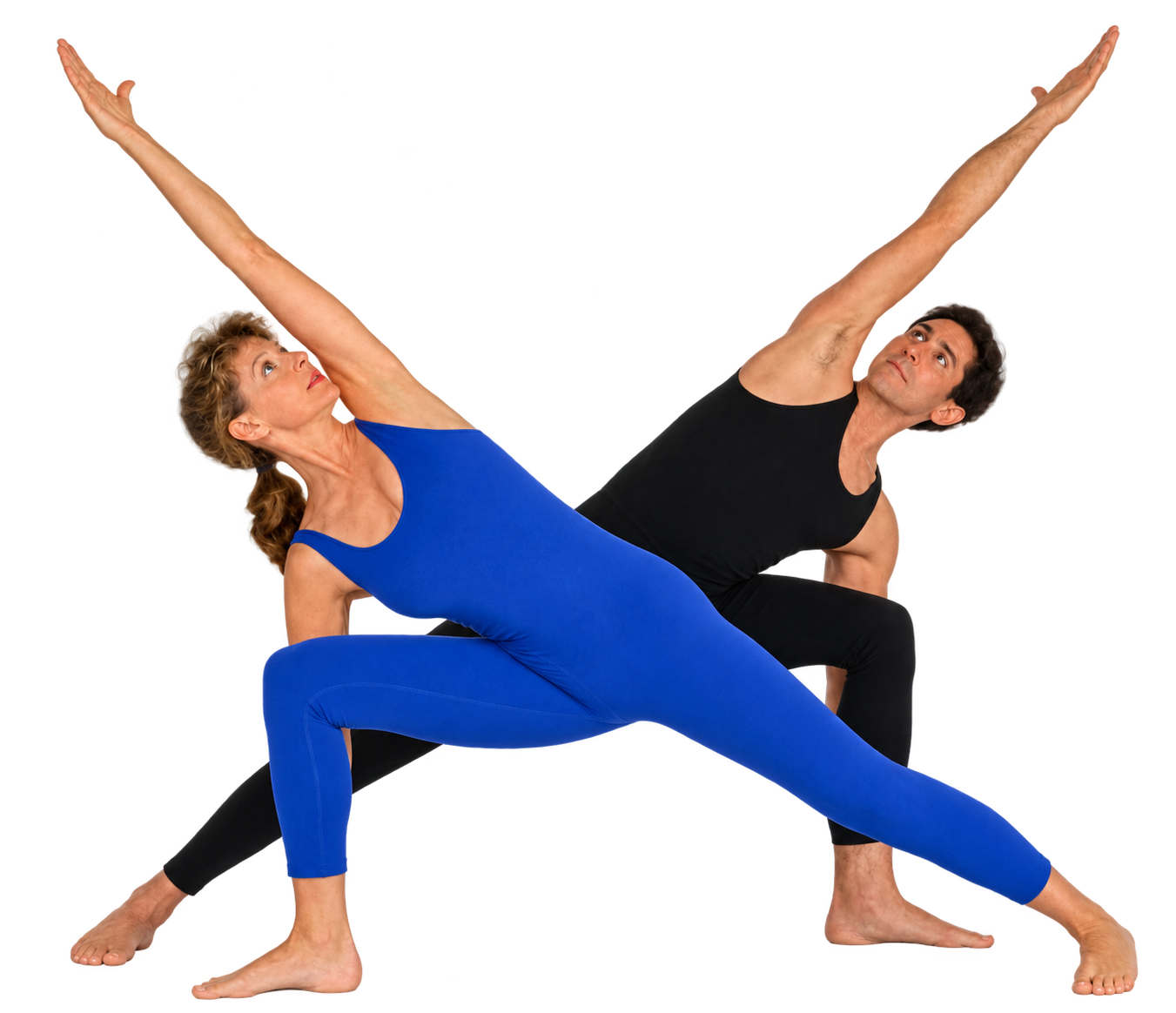
Yet there were a few Swamis who more or less specialized in those physically oriented approaches to yoga that our western youth-oriented society has embraced and which have become wildly popular today. Especially popular are yoga systems designed to reduce stress and enhance emotional and physical fitness, including weight loss and increased athletic performance, all of which have been scientifically proven.
Today’s popular styles of yoga include; quiet exercises for restoration, moderate exercises for everyday fitness, and extreme forms of athletically challenging yoga. When yoga is appropriately practiced at any level, physical, emotional and spiritual health is enhanced.
When it is not, injury often occurs. Which brings us to yoga’s potential problem: classical yoga was created by and for extraordinary individuals whose daily lives—sitting on the floor, walking barefoot, living close to the earth—built a radically different functional anatomy than that of a modern Westerner.
Forcing a body shaped by office chairs, concrete pavement, and tight shoes into 5,000-yearold postures isn't just inefficient; it’s a recipe for strain and injury.
However, when we translate yoga through a modern biomechanical lens, we don't lose its ancient power—we unlock it. By adapting the postures to fit the student rather than forcing the student to fit the postures, yoga transforms from a risky cultural import into a safe, sustainable methodology for lifelong health, balance, and calmness.