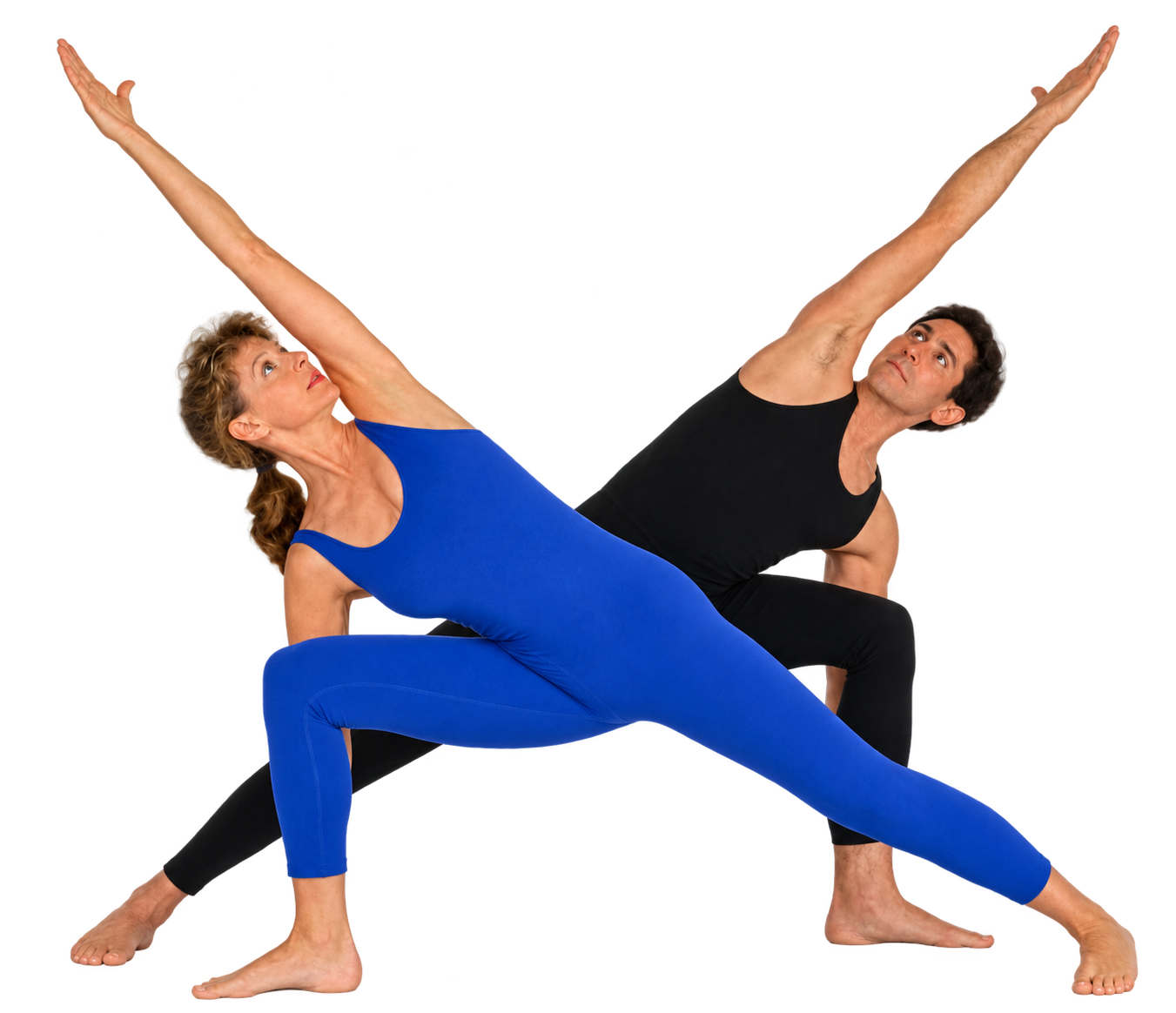
From Aggressive Willpower to Intelligent Awareness
The husband of a yoga student once asked me a straightforward question: if he took up yoga, would it make him stop smoking? My response was simple: "No."
Yoga does not make anyone do anything. It possesses no inherent power to force behavioral shifts, break longstanding habits, or alter lifestyle choices on its own. Semantics aside, yoga is not an external force acting upon you; rather, ExTension and Recovery Yoga serves as a practical, physiological tool designed to cultivate self-awareness. It provides a structured framework for learning how to first govern your breath, then control physical movement, and ultimately bring clarity, quiet, and conscious control to your mind.
There are many ways to approach yoga today. Some styles offer high-intensity, aerobic workouts suited primarily for younger or exceptionally fit individuals. Others center on classical approaches that demand extreme flexibility, while still others rely entirely on quiet, sedentary meditation. ExTension and Recovery Yoga take a fundamentally different path. They are Western methodologies grounded directly in established physiological principles, working in harmony with the laws of human anatomy and neurology.
The process begins by mastering simple, accessible exercises that focus primarily on the breath. From that foundational anchor, breath control is systematically integrated into movements that progressively enhance both flexibility and strength.
While these foundational exercises are easy to learn, they can be adapted to become deeply challenging—physically and mentally—always tailored strictly to what an individual can safely accomplish in the moment. ExTension and Recovery Yoga teaches you to do what you can do, rather than striving after what you cannot.
That distinction may sound subtle, but its implications are profound.
In a traditional gym environment, people frequently try to force strength and flexibility through strain, repetition, and aggressive willpower. In ExTension and Recovery Yoga , you learn to exercise entirely without forcing. Discomfort is not something to push through; if an exercise hurts, it is a clear biological signal to modify the movement and eliminate the pain immediately.
As you build upon these foundations without aggression, your strength and flexibility expand naturally, yielding a noticeable increase in both physical and emotional endurance. The yoga mat becomes a microcosm of your daily life. As you gain mastery over your breath and physical frame, it becomes entirely natural to apply that heightened control, awareness, and understanding to other areas of living—including habits, choices, or patterns that cause you physical or emotional distress.
Anything that creates discomfort in your body or mind responds well to this expanded self-awareness. While yoga itself cannot force a habit to stop, replacing aggressive willpower with intelligent awareness makes it an invaluable tool for losing weight, reducing or quitting smoking, cutting back on alcohol, or managing anxiety and depression.
Furthermore, as you learn to listen closely to the subtle messages your body sends you, your capacity for attentive listening increases across the board. Tuning in to your own physical signals fosters deep self-compassion, which naturally expands your capacity for patience, empathy, and care toward others.
Ultimately, while yoga holds no magical power of its own, practicing it consistently feels remarkably transformative. It offers a rare approach to complete wellbeing: an exercise system grounded in sound science that delivers profound physical, mental, and emotional benefits with maximum efficiency and minimal effort.