Cats and Dogs Do It: What Animals Teach Us About Yoga
Have you ever noticed what happens when a dog or cat gets up from a nap? Almost without fail, she takes a long, luxurious stretch before moving away from her resting spot. Have you ever wondered what is really happening during that stretch, or why that simple animal habit has direct relevance to your daily life?
If you live with a pet, try a simple experiment. Reach down and gently pinch and lift the skin near her shoulder. Notice how pliable it is and how easily it slides over the muscle structures underneath. Now, gently pull the skin on the back of you neck, your own shoulder or upper arm with the same amount of pressure. If you are like most people, you will notice a significant difference in elasticity.
If you have ever suffered an injury to an arm, neck, shoulder or back, the skin over that specific area will feel even tighter and less forgiving than the uninjured side. Try that out on yourself or a friend who has had an injury and test that yourself.
Setting evolutionary differences aside, a fundamental question remains: Why are animals, on average, so much more flexible than humans? And why does human tissue stay so tight in areas of past injury? The answer lies in the underlying "fabric" positioned directly beneath your skin and above your muscle structures: fascia.
Fascia is a profuse, continuous network of connective tissue covering your body from head to toe. It sits just below the surface of the skin and tightly wraps every muscle, organ, blood vessel, and gland in your body. Understanding the nature of fascia reveals why your pet’s post-nap ritual is so important. Those frequent "cat and dog stretches" are not intended as a workout for muscles or to stretch skin—they are designed to maintain the elasticity of the fascia. Because it is a soft tissue, fascia responds to physical strain, emotional stress, and trauma by contracting.
Humans routinely bombard themselves with stress day after day, month after month, and year after year. Without a regular release, our cumulative physical and emotional tension causes the fascial network to tighten like a drumhead. Animals, by contrast, instinctively stretch throughout the day to clear out the accumulated tension of daily living. Thousands of years ago, the founders of yoga developed many of their foundational postures by observing animals in nature and mimicking their natural movements to relieve physical stress.
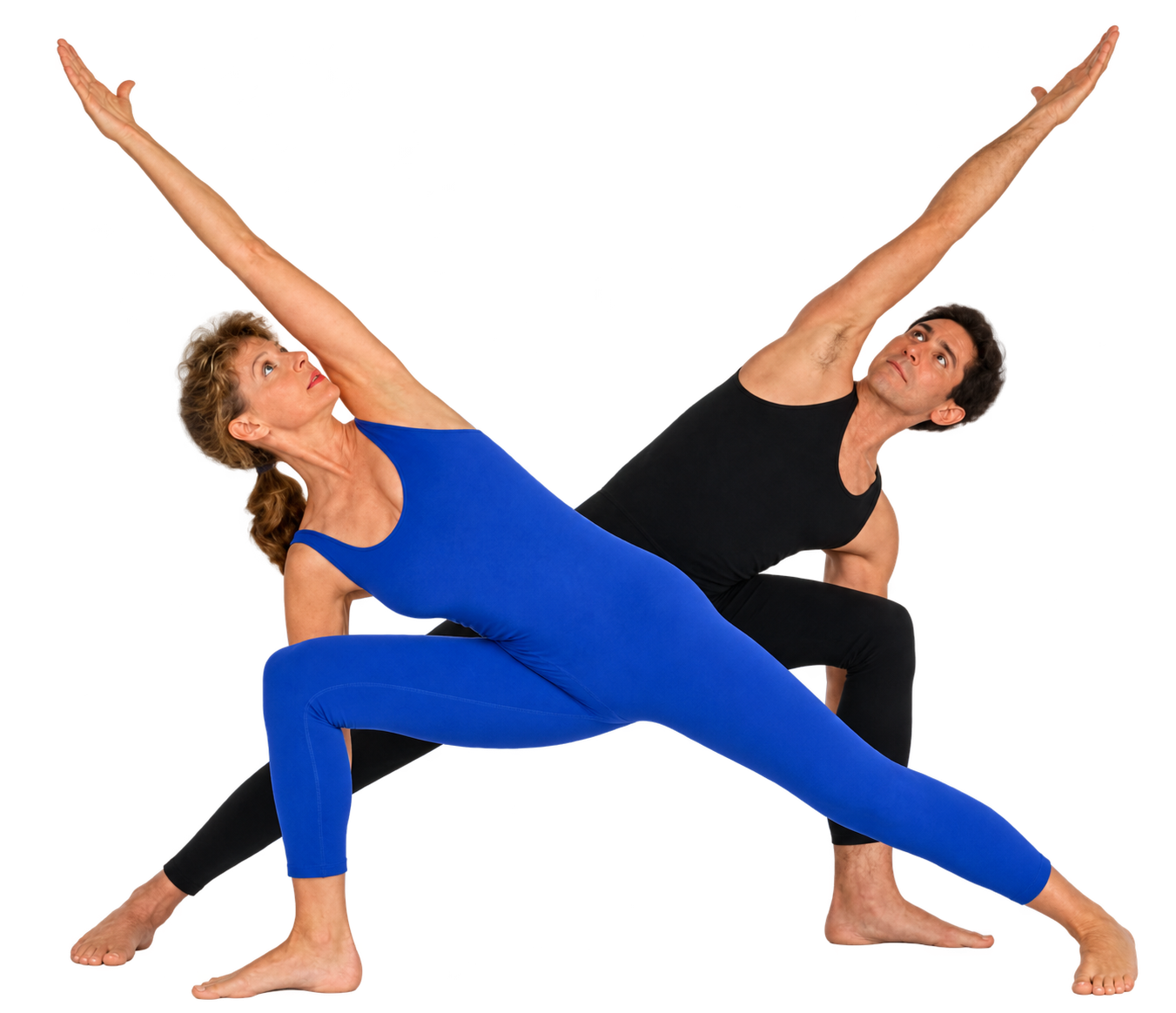
When practiced mindfully and without forcing, yoga acts as a powerful system to unwind contracted fascia—helping to restore balance, flexibility, and functional strength while bringing quietness to the body and mind. By taking a cue from our four-legged companions and integrating simple, non-forcing stretches throughout our day, we interrupt the cumulative cycle of chronic stress. Just as animals use instinctual movement to clear daily tension, a gentle yoga practice offers us a deliberate way to reset our nervous system. Rather than carrying the weight of past injuries and everyday stress in tight, guarded tissue, brief and conscious movements allow our fascia to soften, unlocking greater physical vitality and restoring the natural elasticity and ease of movement we were always meant to have.