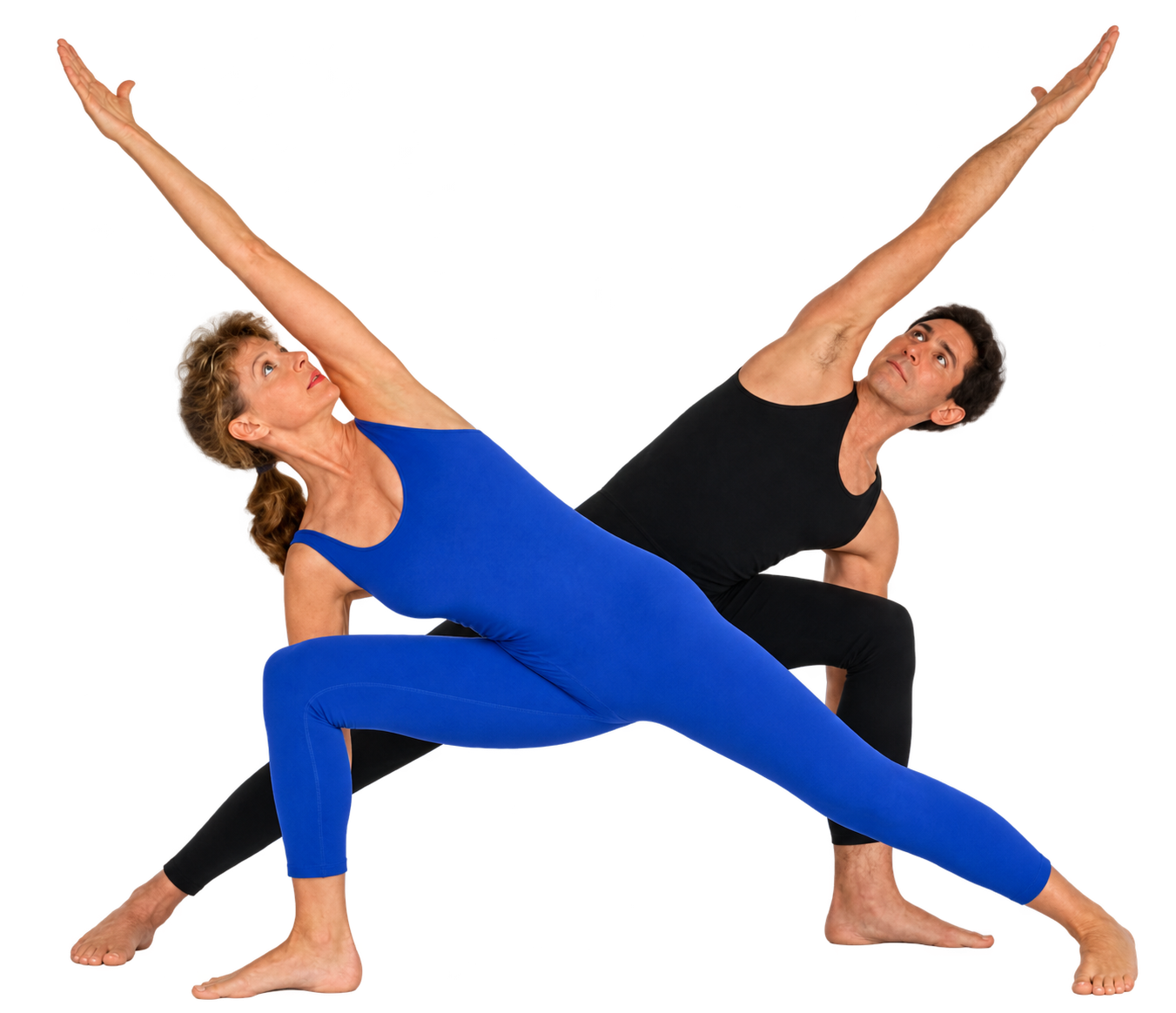
Breath as the Bridge Between Mind and Body
“Come on,” I heard a friend say to someone who was clearly rattled. “You’re so uptight... why don’t you just take a deep breath and relax?”
Whether she understood the underlying physiology or not, she instinctively knew a fundamental human truth: controlled, deep breathing calms the mind, settles the emotions, and releases physical tension.
Around three to four thousand years ago, practitioners in India developed a systematic methodology combining physical movement with controlled breathing to counter stress and improve the quality of daily life. Designed to help individuals live in greater harmony with their bodies and environments, they called this system yoga.
Those early practitioners recognized what modern medicine took millennia to confirm. They understood that the core purpose of controlled breathing was to forge a direct body-mind connection, reduce stress, promote deep relaxation, and optimize overall vitality.
Despite thousands of years of empirical success, modern science has only recently begun to fully validate these benefits. Today, neurobiology and cardiovascular research clearly document the intimate link between breath, brain function, and blood chemistry.
Anyone who has experienced sustained, unrelenting tension knows the toll it takes on health and happiness. During periods of prolonged physical or emotional stress—whether triggered by real danger or mental worry—the body floods the bloodstream with stress hormones like cortisol and adrenaline. This triggers the classic "fight-or-flight" response, driving up heart rate, blood pressure, respiration rate, and muscular tension. Left unchecked, this chronic state of alarm leads to physical exhaustion, systemic inflammation, and long-term health breakdown.
Fortunately, nature provides an automatic physiological counterbalance. In the 1970s, Dr. Herbert Benson of Harvard Medical School documented this mechanism, coining the term the relaxation response.
The relaxation response is a state of deep physical and mental quietude that directly counters the fight-or-flight mechanism. When activated, it slows the heart rate, lowers blood pressure, relaxes soft tissues, and cools down metabolic strain. Benson demonstrated that regularly evoking this state produces lasting improvements in immune function, cardiovascular health, and emotional stability.
Controlled breathing is the primary key that unlocks this state, but an intelligent yoga practice takes it further. During a research study I participated in at Wright-Patterson Air Force Base examined the effects of yoga on brain function and we confirmed Dr. Benson’s findings: easy, quiet, yoga-based activities slow brainwave patterns and significantly reduce stress markers. More remarkably, we also documented that even dynamic and complex movements, when practiced thoughtfully without force or strain, suppress the hyperactive brainwave patterns associated with anxiety.
It was not long ago that Western medicine viewed the mind and body as completely separate entities. Today, science acknowledges what yoga has taught for thousands of years: the breath, mind, and body form a single, interconnected system. By using the breath to regulate your nervous system, you take active control of your physical health, clearing away stress and restoring lasting balance from the inside out.